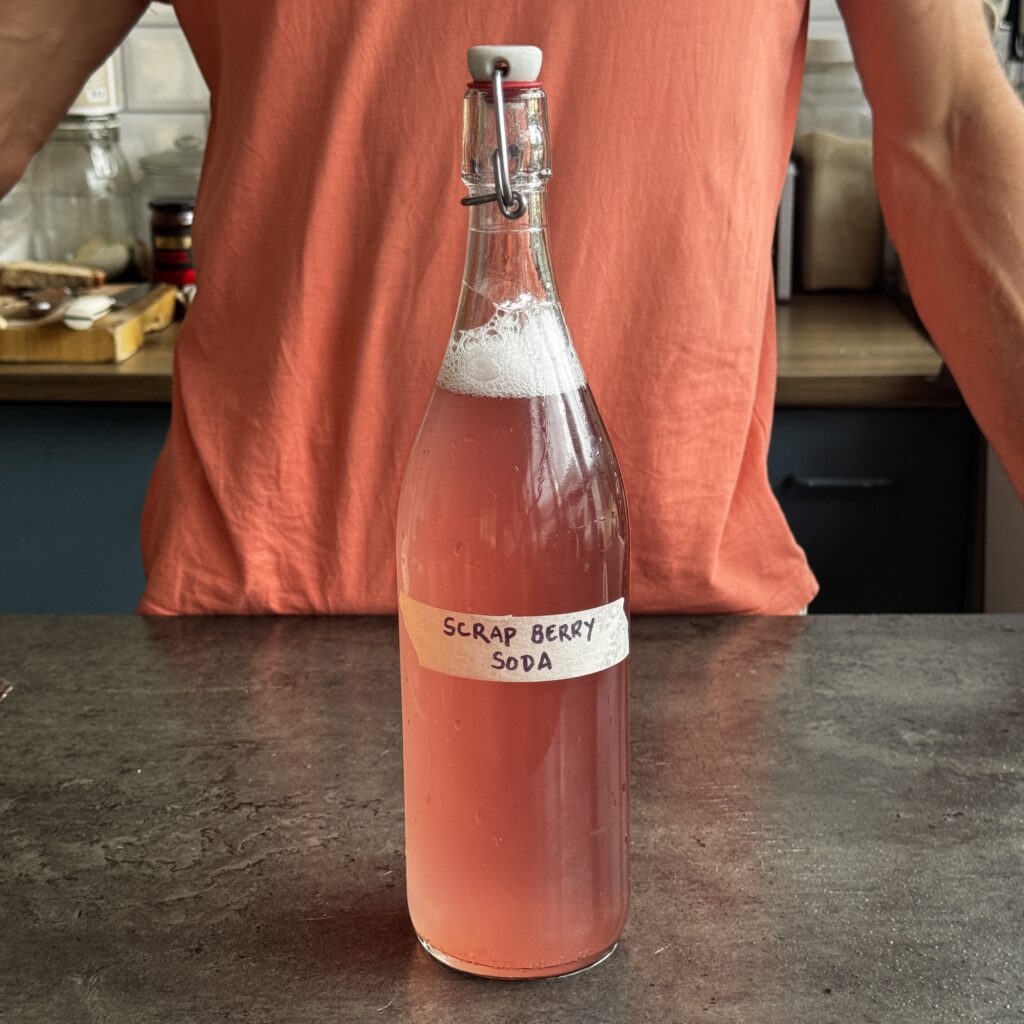
Scrap Berry Soda
Scrap Berry Soda This is a delicious way to give your berries a second life!…


Potatoes are one of the most beloved staples in Irish kitchens — hearty, grounding, and incredibly versatile. Whether you’re roasting, boiling, mashing or baking, a good potato is always satisfying and nourishing.
On our regenerative farm, we grow seasonal Irish spuds in rich, living soil — without chemicals, sprays or shortcuts. The result? Potatoes with more flavour, better texture, and higher nutrient density than anything you’ll find in a supermarket.
This page is your go-to spot for easy, wholesome recipes that make the most of your weekly veg box. Whether you’re cooking for one or feeding a family, you’ll find:
Where do potatoes come from?
Potatoes were first cultivated over 7,000 years ago in the Andes Mountains of South America. They made their way to Europe in the 1500s and became a staple crop in Ireland — so much so that they’ve shaped our history, culture, and cuisine.
Are all potatoes the same?
Not at all! There are hundreds of varieties — some waxy, some floury, some somewhere in between. On our farm, we grow a mix of seasonal Irish varieties depending on the time of year — from smooth-skinned early spuds to hearty storage potatoes in winter.
Why do we love growing potatoes on our regenerative farm?
Potatoes are a brilliant crop for breaking up compacted soil, helping to improve soil structure naturally. When we grow them without chemicals in compost-rich beds, they also help us build organic matter and support microbial life in the soil. Plus, they’re just delicious!
Do potatoes have nutrients?
Yes! Potatoes are full of vitamin C, potassium, fibre, and beneficial antioxidants — especially when grown in nutrient-dense soil and eaten with the skins on.
💡 Bonus Tip: Don’t toss those peels — toss them in oil and bake for 10 mins at 200°C for a crispy zero-waste snack!
Scrap Berry Soda This is a delicious way to give your berries a second life!…
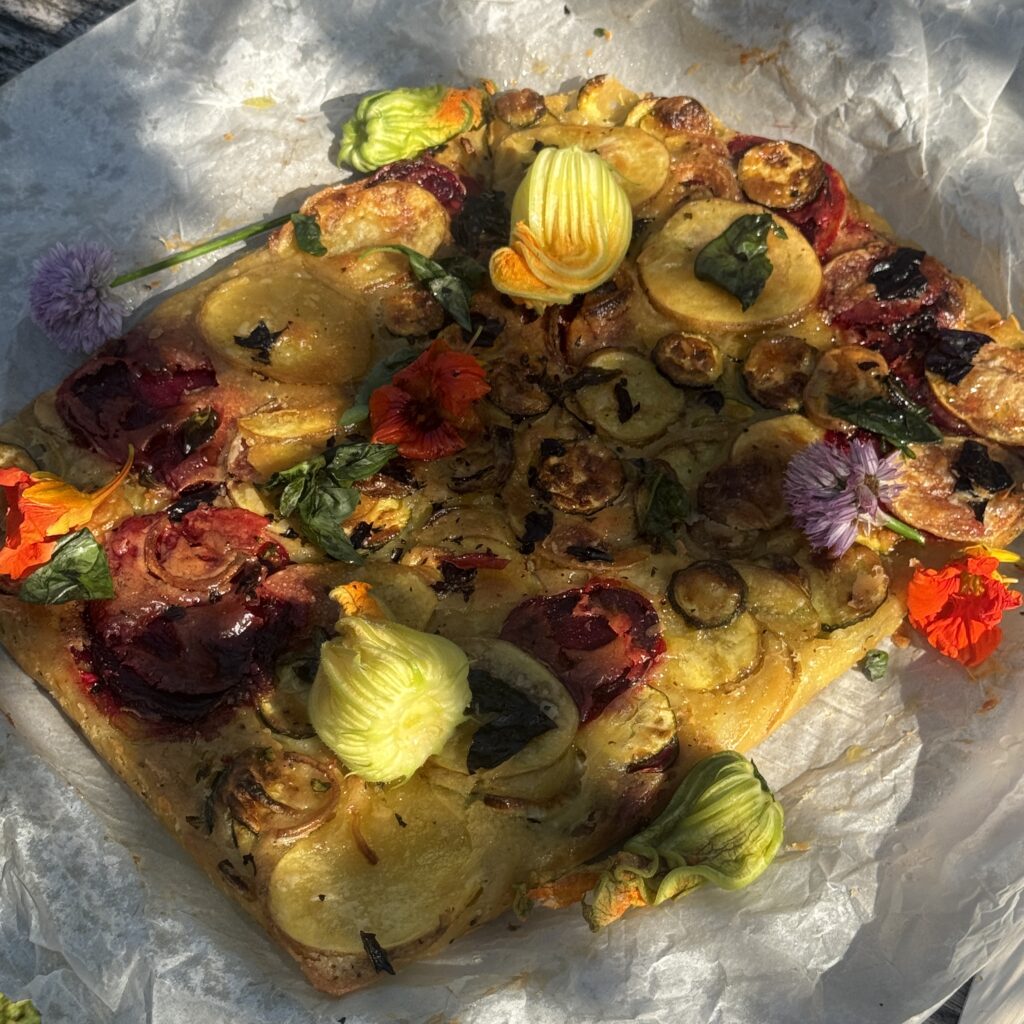
Scarpaccia with Courgettes, Potatoes & Beetroot Scarpaccia is a traditional Tuscan courgette tart that is…
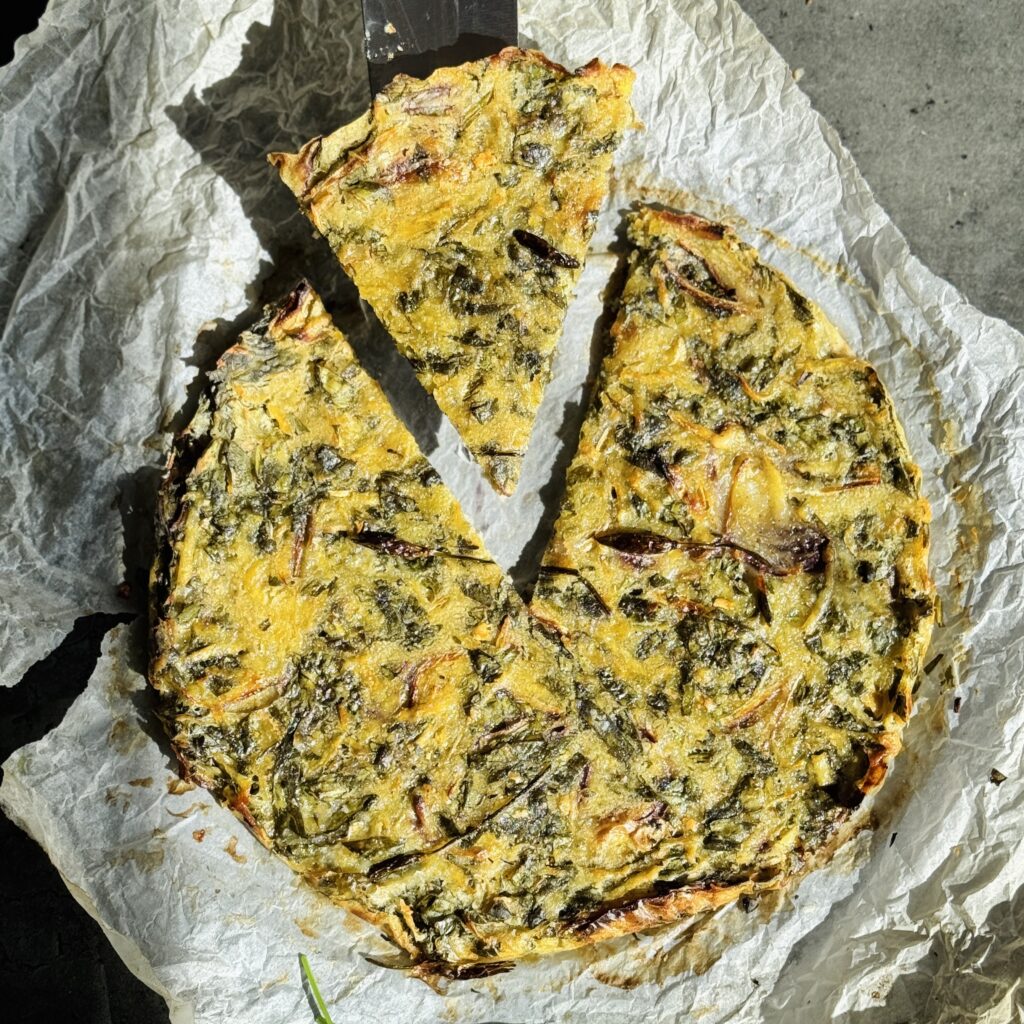
Wild Garlic Scarpaccia Inspired by the traditional Tuscan courgette tart known as Scarpaccia, this seasonal…

Plant-Based Shepherd’s Pie with Gratin Potato & Sun-Dried Tomato Pesto This hearty plant-based shepherd’s pie…

Fermented Fries (Crispy, Tangy, Plant-Based) These golden chips get their signature lightness and flavour from…

Wild Garlic Potato Towers These crispy, golden potato towers are a delicious twist on a…

Comforting Winter Stew Think rich heart belly hug stew, that has deep undertones of red…

Scarpaccia with Courgettes and Potatoes Scarpaccia is a traditional Tuscan courgette tart that is typically…

Korean-inspired Kim-Cheese Burger This is the burger dreams are made of! We compress and fry…
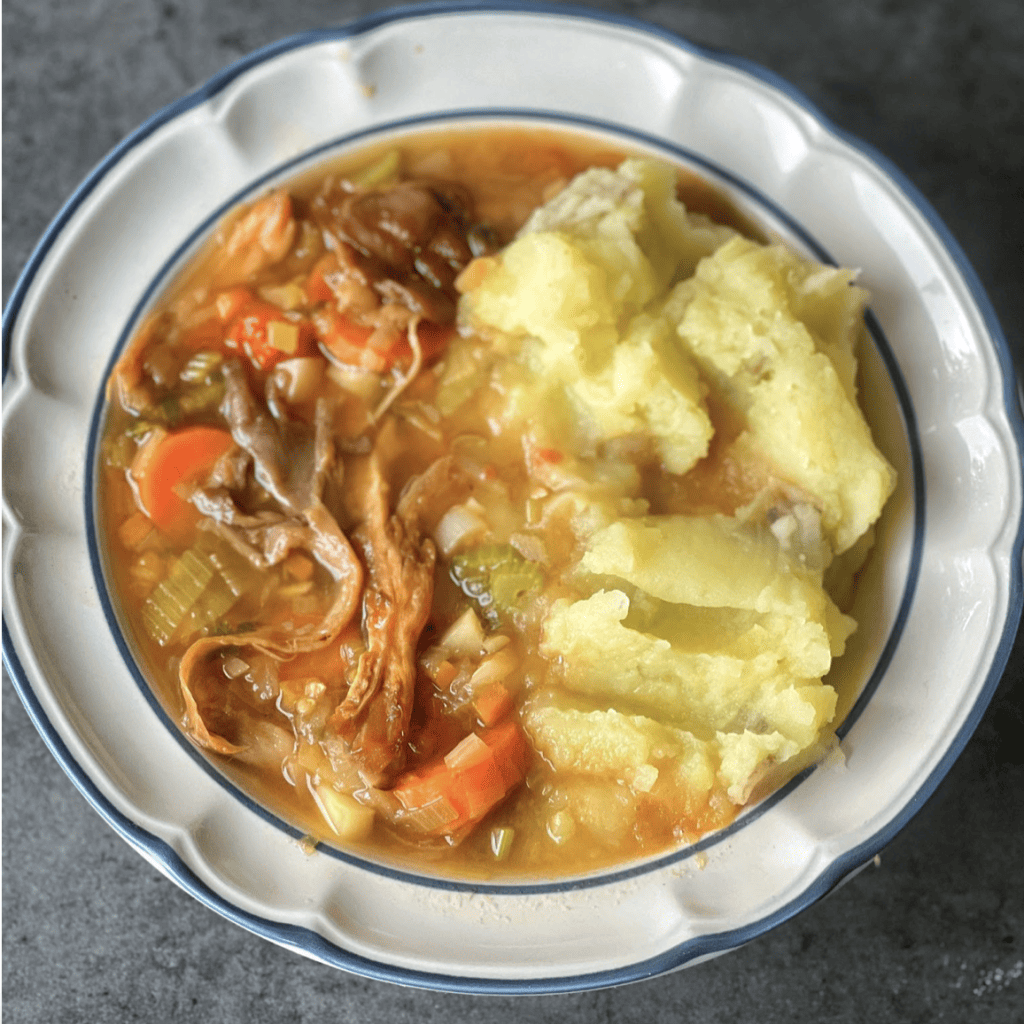
When we were little, every sunday we used to go to our grandparents Granny and…
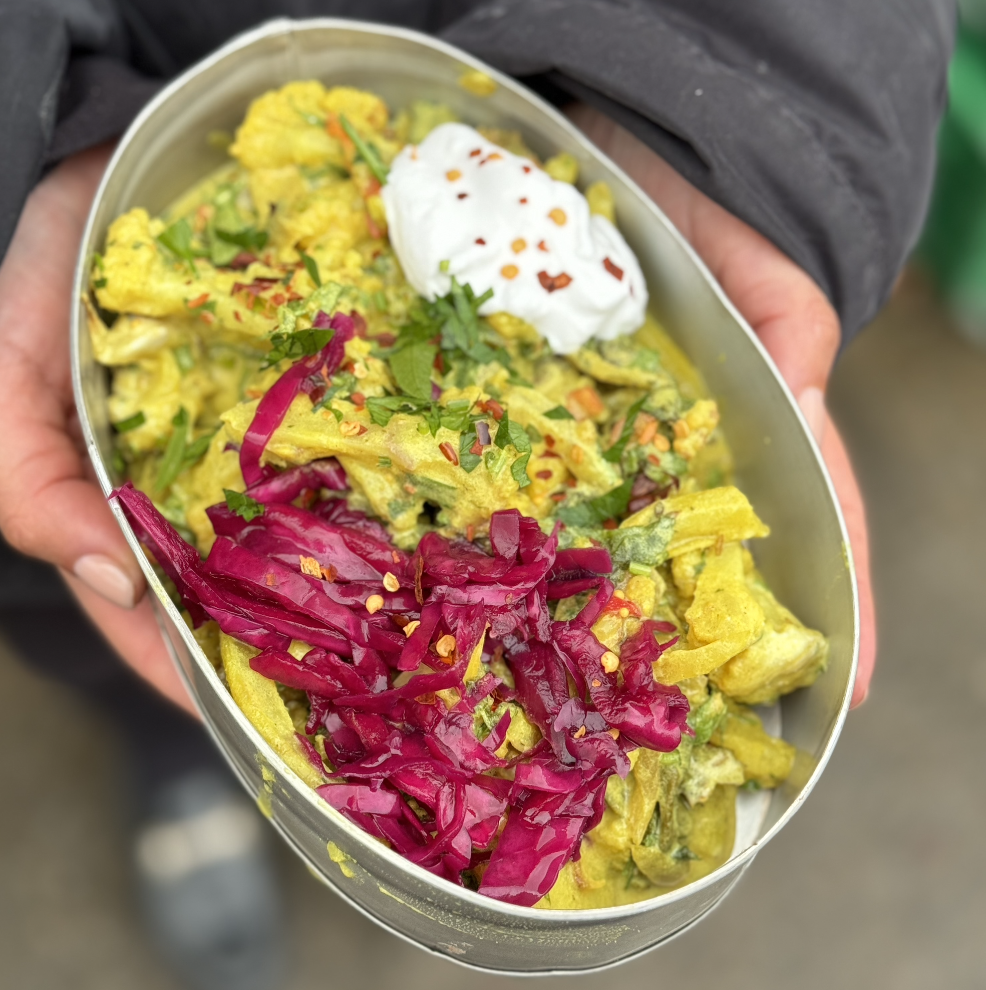
Aloo Gobi This beautiful, soft, warming curry is like a comforting hug for the belly….
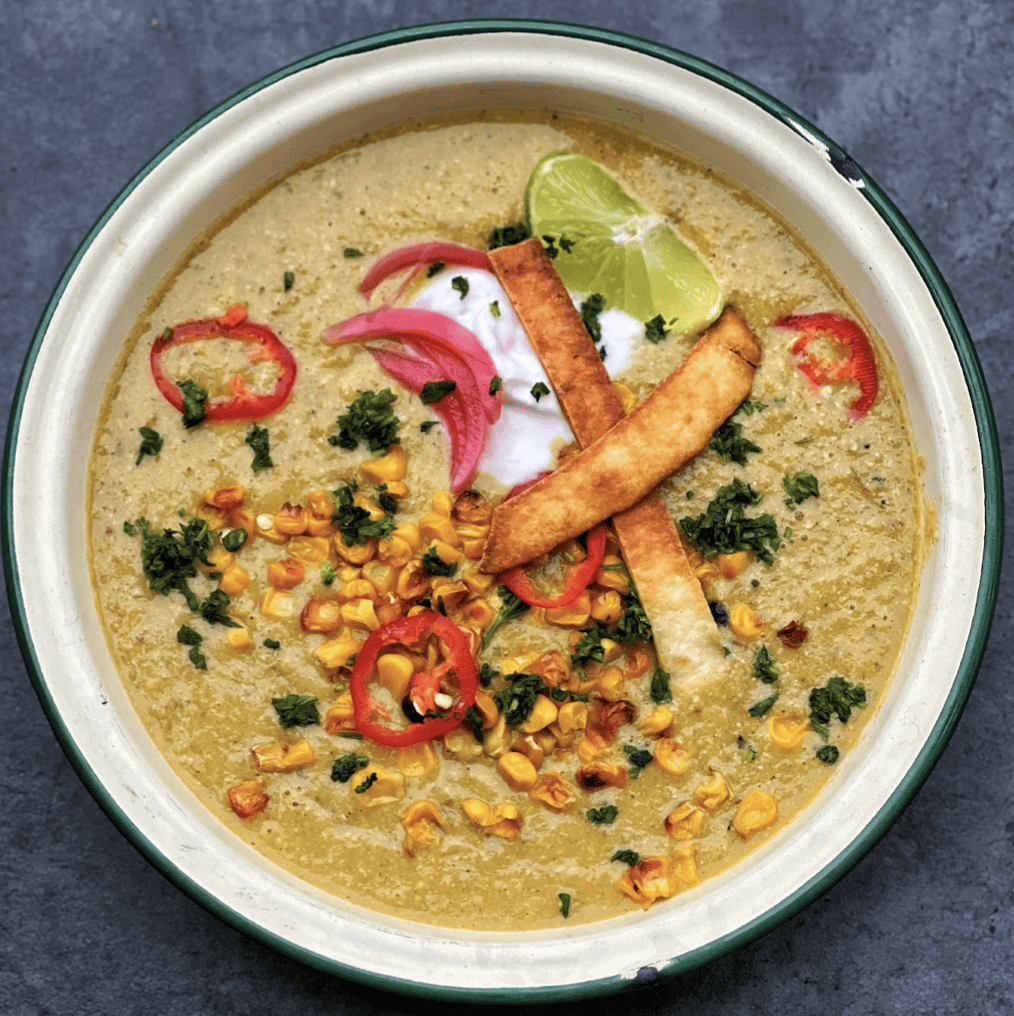
Corn is a staple in Mexico, often referred to as “Elote.” In this recipe, we…

When we were kids this was one of our Dad’s big dishes and the whole…

Stuffed Chard & sweet tomato bake Dave’s mother in law, Rose, came up with this…

Leek and Potato Soup A super hearty, nourishing soup that's simple to make—perfect for warming…

Hearty Italian veg & white bean soup This is a really hearty chunky soup packed…

Ultimate 1 Pot spicy Potato Stew This is so good, easy to make, and super…

Delicious Indian street food – Pav Bhaji An incredibly tasty street food from Mumbai—our version…

Vegan Sunday Roast Dave had a vegan Sunday roast with all the trimmings in a…

Vietnamese Tempeh Curry This is a deliciously simple curry! It’s packed with flavour and is…
💡 Top Tip: New/early season potatoes don’t store as long as maincrop ones — try to eat them within 1–2 weeks of delivery for peak freshness!