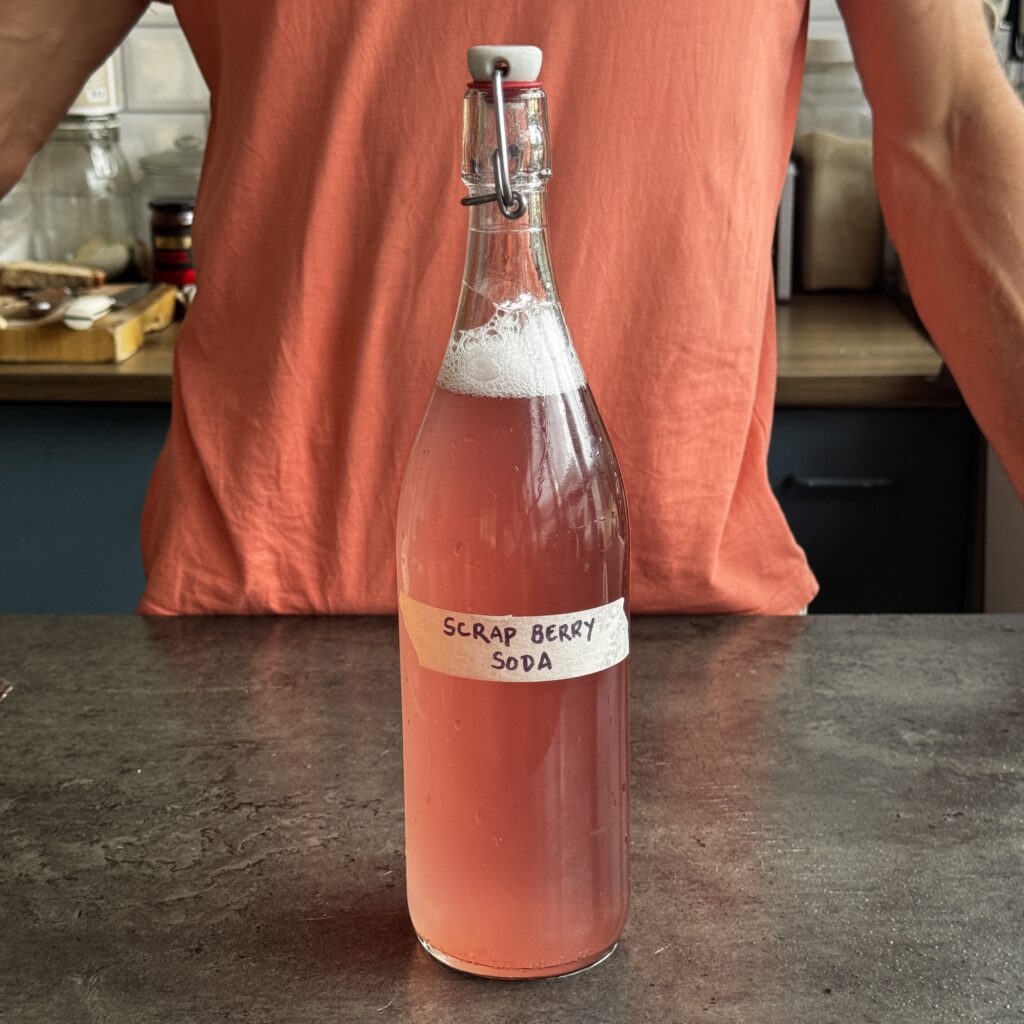
Scrap Berry Soda
Scrap Berry Soda This is a delicious way to give your berries a second life!…


Onions are the quiet heroes of the kitchen — bringing depth, sweetness, and rich savoury flavour to just about everything they touch. Whether roasted, caramelised, sautéed, or eaten raw for a bit of crunch, onions are the base of so many nourishing, delicious meals.
On our regenerative farm, we grow a variety of onions, from classic yellow and red onions to spring onions (scallions) — all sown, tended, and harvested by hand in living soil. Grown without chemicals and packed with natural sweetness, our onions are bursting with flavour and goodness.
This collection of recipes is here to help you make the most of every onion in your veg box — simple ideas, hearty mains, and creative ways to let this humble vegetable shine.
💡 Top Tip: A pinch of salt while cooking onions helps draw out moisture and speeds up softening!
Where do onions come from?
Onions have been grown and loved for over 5,000 years, with origins tracing back to Central Asia and the Middle East. They’ve been a kitchen staple in almost every culture ever since!
Why do onions make you cry?
When you cut into an onion, it releases sulfur compounds that form a mild acid when they reach your eyes — a natural defense mechanism from the plant. Chilling the onion for 10–15 minutes before cutting can help reduce the tears!
What types of onions do we grow?
We mainly grow yellow and red onions, along with some spring onions (scallions) during the warmer months. Each has its own flavour — from sweet and mellow to sharp and punchy — and they’re all packed with minerals and natural plant compounds that support heart and immune health.
Why do we love growing onions on our regenerative farm?
Onions are resilient, deep-rooted plants that help improve soil structure naturally. Plus, when grown without chemicals in compost-rich soil, they develop richer, sweeter flavours — proving once again that healthy soil grows better food.
Scrap Berry Soda This is a delicious way to give your berries a second life!…
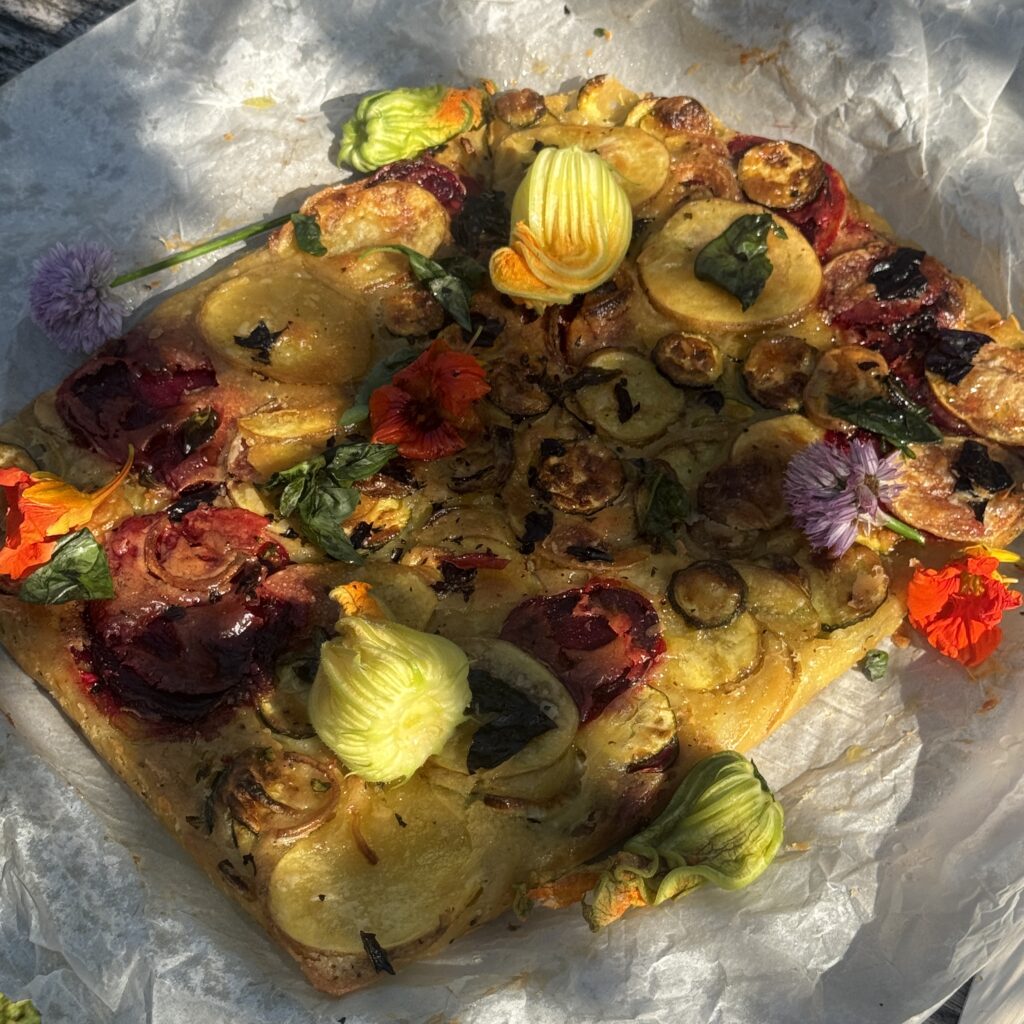
Scarpaccia with Courgettes, Potatoes & Beetroot Scarpaccia is a traditional Tuscan courgette tart that is…
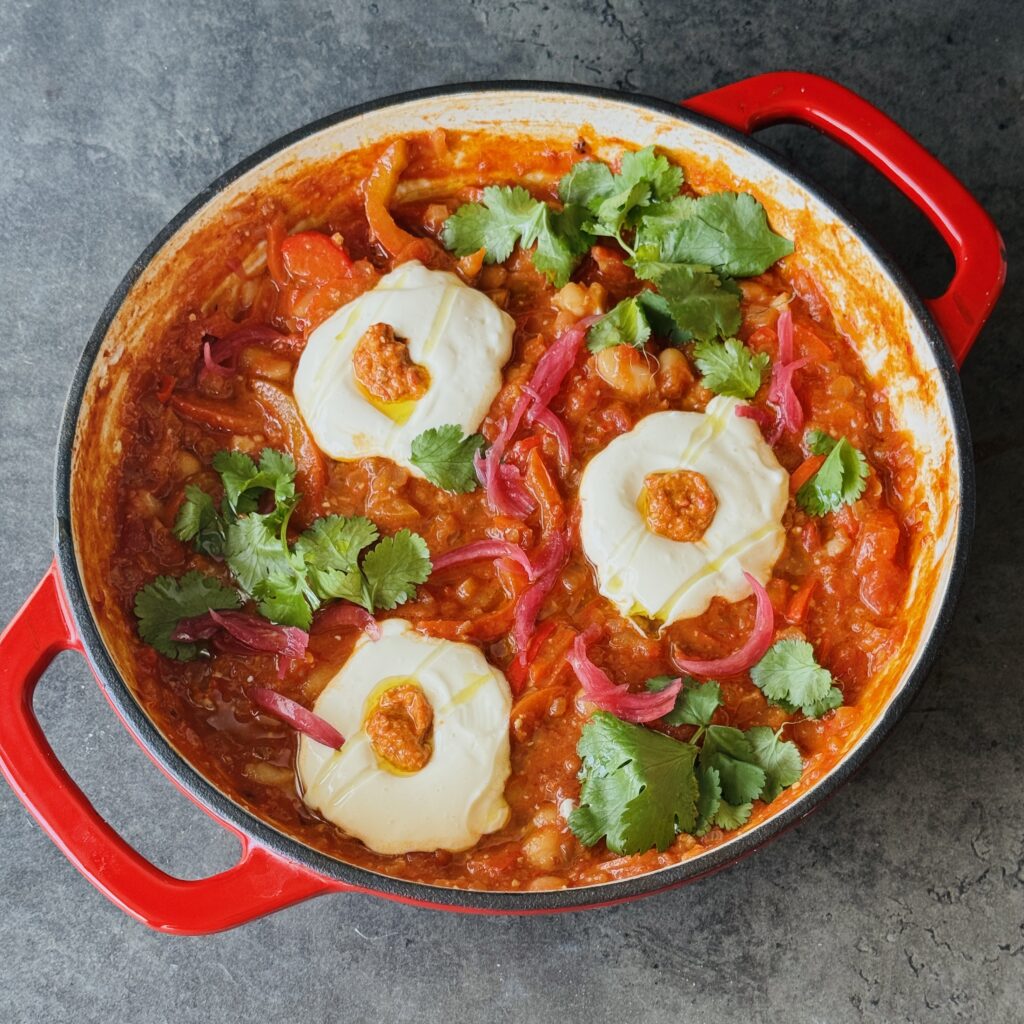
High-Protein Red Pepper Pesto Shakshuka with Whipped Tofu Eggs A fun, plant-based twist on a…
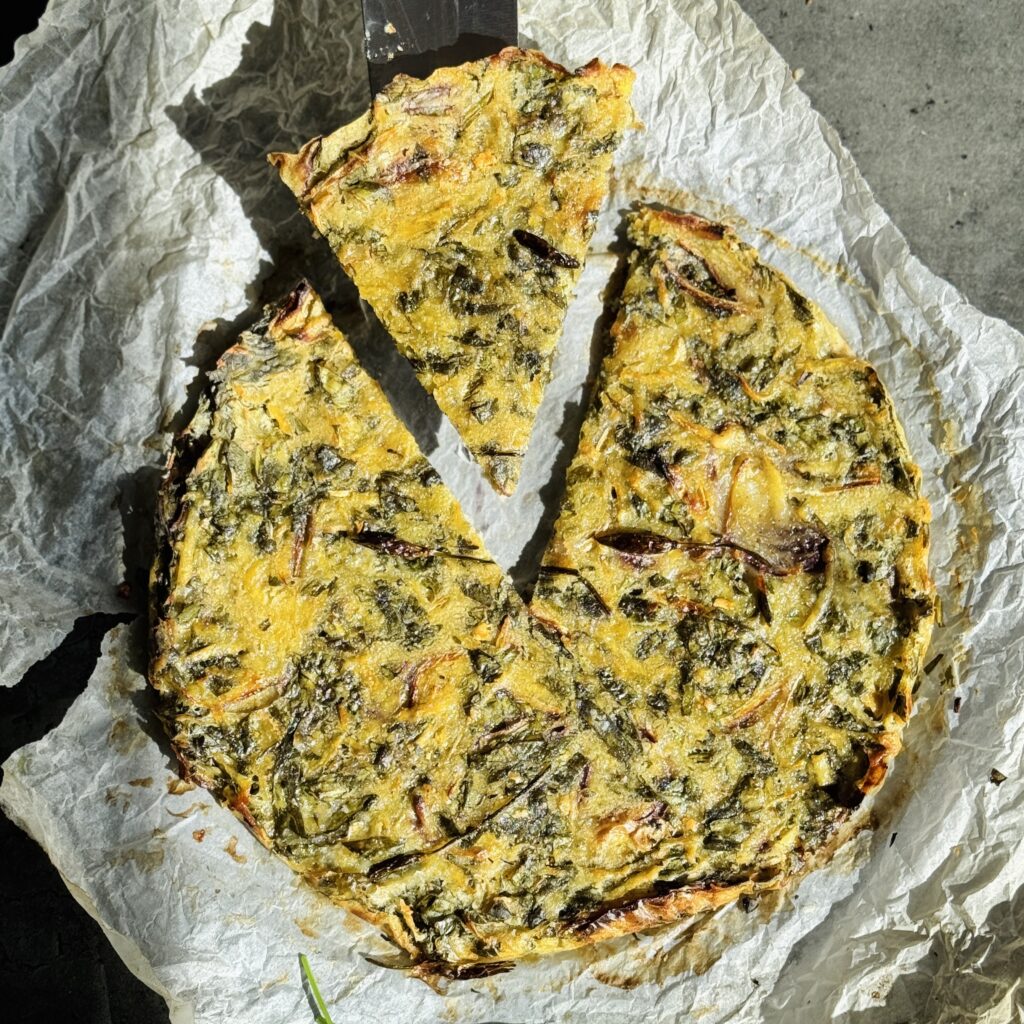
Wild Garlic Scarpaccia Inspired by the traditional Tuscan courgette tart known as Scarpaccia, this seasonal…

Thai Red Curry Carrot Soup Soup in an airfryer? Might sound like a crazy idea…

Plant-Based Shepherd’s Pie with Gratin Potato & Sun-Dried Tomato Pesto This hearty plant-based shepherd’s pie…

Hasselback Tofu with Miso Glaze Tofu often gets a bad rap for being bland, but…

One Pan Orzo Pesto Pasta Bake This is perfect for those evenings that you don't…

One-Pan Easy Loaded Nachos Epic, incredibly tasty, and made in just one pan — these…

One-Tray Caramelised Veg Pasta Bake This One-Tray Caramelised Veg Pasta Bake is the ultimate fuss-free,…

Creamy Peanut One-Pan Baked Noodles This recipe requires just 5 minutes of prep, and the…

Tofu and Mushroom Cabbage Rolls One of our all time favourite ways to eat cabbage….

Comforting Winter Stew Think rich heart belly hug stew, that has deep undertones of red…

Creamy Linguine with Shredded Sprouts and Mushrooms This is one of the best ways to…

Roasted Tomato and Pumpkin Tray Bake Soup This is one of the simplest ways to…

10 Minute Thai Noodles This is rocking, takes 10 mins and is packed with flavour….

Easy Korean Style Noodles This takes 10-15 mins to make and it's so packed with…

Courgette Fritters with a Tzatziki Tahini Cream and Chilli Sauce Courgettes (zucchini) are in season…

Carnitas – Mexican “meat” tacos Literally means “little meats” here we use mushroom as the…

Real Falafel We call these 'real falafel' because we have many recipes for falafels that…

Creamy Mushroom Linguine This deliciously creamy pasta dish appears simple at first glance, but its…
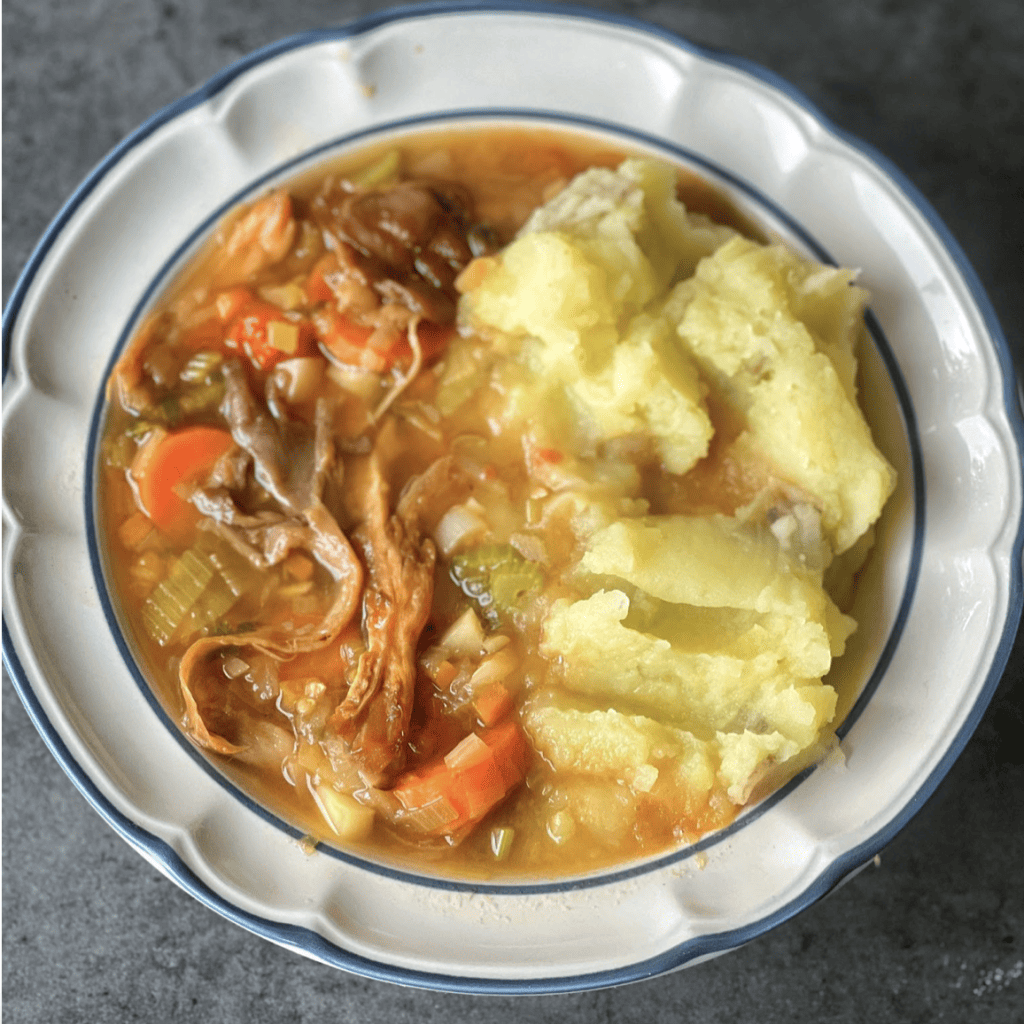
When we were little, every sunday we used to go to our grandparents Granny and…
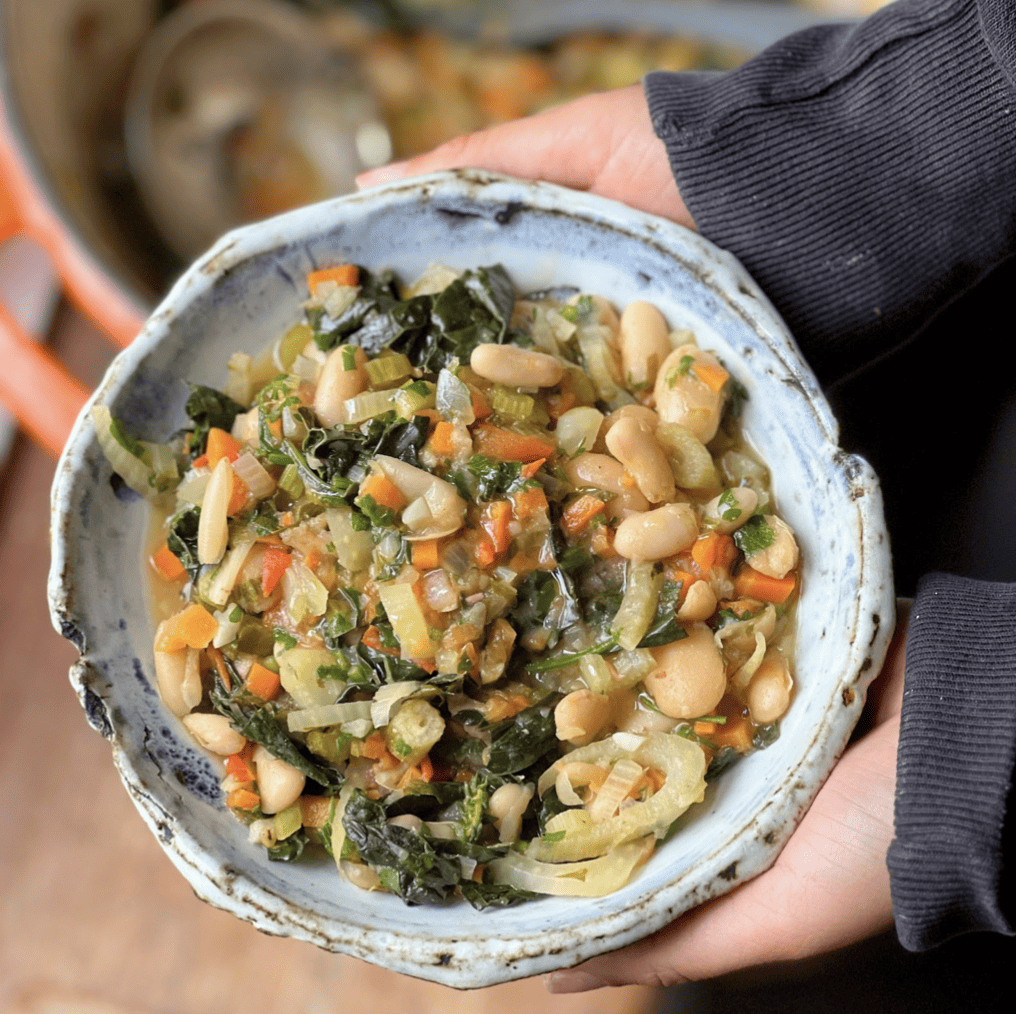
The focus of this dish is to create a stew with a variety of plants…
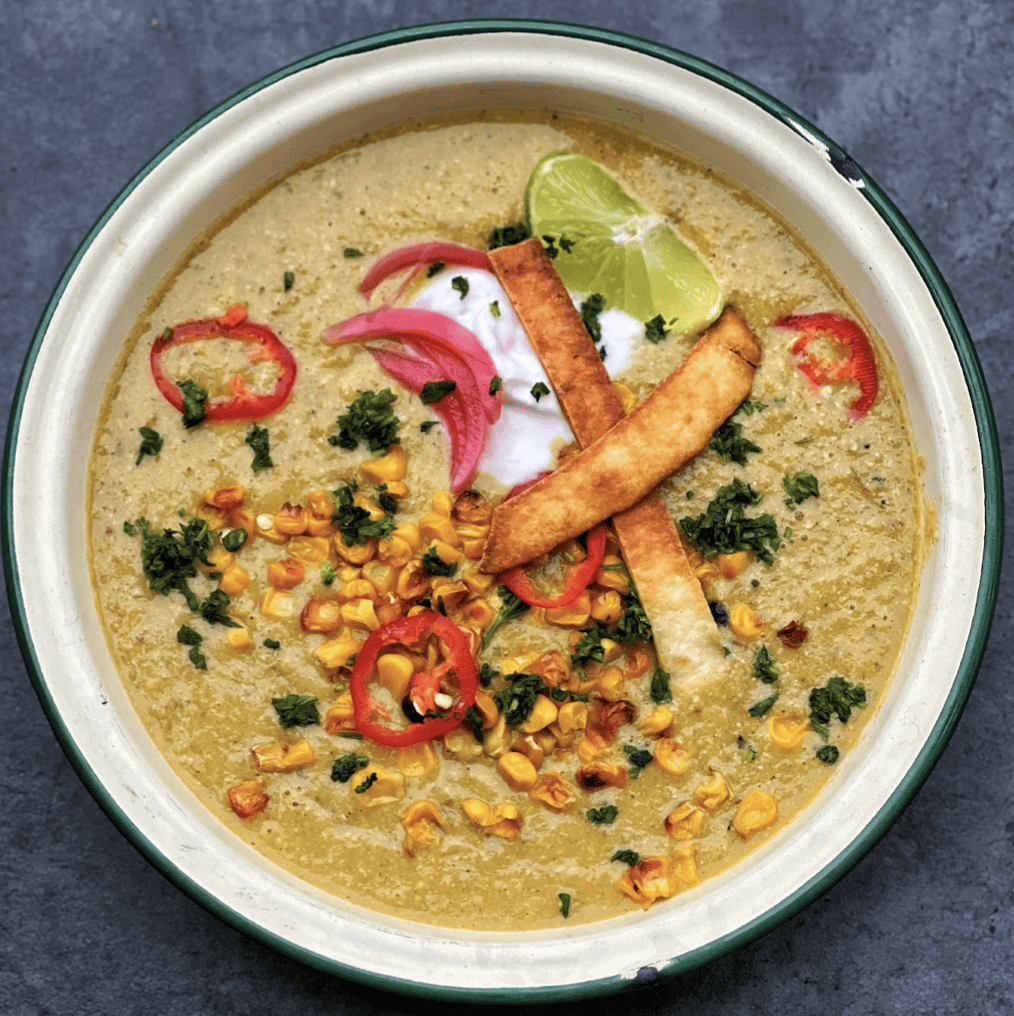
Corn is a staple in Mexico, often referred to as “Elote.” In this recipe, we…

A tostada is where a tortilla is toasted to form the base of a dish…
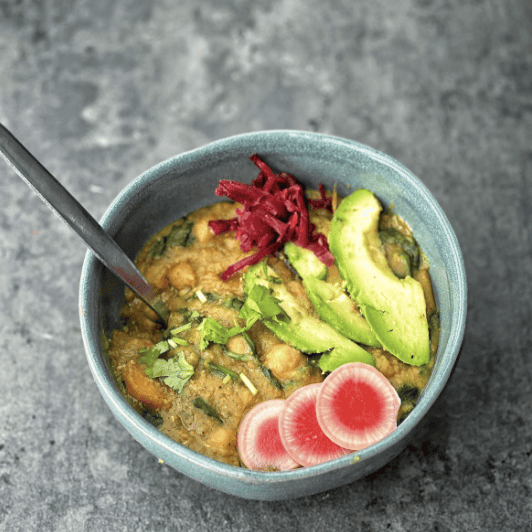
This is a super tasty and really easy wholesome one pot red lentil dahl. It…

This is such an easy dish…but seems super impressive. If you have an excess of…

Buffalo Cauliflower Wing Tacos with Quick Pickled Onion The contrast of spicy, sweet buffalo cauliflower…
💡 Top Tip: Keep onions away from potatoes! Storing them together speeds up spoilage for both.